We are:

One Stop for cloud computing solutions

Category Archives: Uncategorized

Categories Uncategorized

Why Businesses in Coimbatore Are Moving to Cloud Services in 2026

Cloud Services

Why Businesses in Coimbatore Are Moving to Cloud Services in 2026

📅 July 1 2026

Technology is transforming the way businesses operate, and cloud computing has become one of the most important investments for organizations looking to stay competitive. Businesses in Coimbatore are increasingly adopting cloud technology to improve operational efficiency, strengthen data security, reduce infrastructure costs, and support long-term growth.

Cloud Computing

What Are Cloud Services?

Cloud Services allow businesses to access powerful computing resources over the internet without investing heavily in physical IT infrastructure.

Instead of purchasing and maintaining expensive servers, storage devices, and networking equipment, businesses can securely access cloud resources whenever they need them. This provides greater flexibility while reducing infrastructure costs and simplifying IT management.

Modern cloud platforms help organizations improve collaboration, enhance security, support remote work, and scale operations quickly without major hardware investments.

Why Businesses Prefer Cloud Computing

  • ✔ Lower Infrastructure Costs
  • ✔ Better Data Security
  • ✔ High Availability
  • ✔ Business Continuity
  • ✔ Flexible Resource Scaling
Cloud Services in Coimbatore by Virtual Automation
☁️

Cloud Infrastructure

Scalable computing resources for modern businesses.

🚀

Cloud Migration

Secure migration of applications, servers, and business data.

💾

Cloud Backup

Automated backup solutions for complete data protection.

Disaster Recovery

Rapid recovery solutions to minimize business downtime.

🖥️

Managed Cloud

End-to-end monitoring and cloud infrastructure management.

🔐

Azure & AWS

Enterprise cloud solutions using Microsoft Azure and AWS.

What Are Cloud Services?

Cloud Services allow businesses to access computing resources such as servers, storage, databases, software, networking, and backup solutions over the internet instead of relying entirely on physical infrastructure.

Instead of investing heavily in hardware, businesses can scale their IT infrastructure based on operational needs while reducing maintenance costs. Cloud computing enables organizations to improve flexibility, enhance collaboration, strengthen security, and simplify IT management without worrying about expensive infrastructure upgrades.

Modern Cloud Solutions Include

☁️

Cloud Infrastructure

🚀

Cloud Migration

💾

Cloud Backup

Disaster Recovery

🖥️

Managed Cloud Services

🔐

Microsoft Azure & AWS

Why Businesses Are Choosing Cloud Services

Cloud computing has become a strategic investment for businesses looking to improve efficiency, strengthen security, and support long-term growth.

01

Lower IT Infrastructure Costs

Maintaining physical servers requires continuous investment in hardware, maintenance, upgrades, and electricity. Cloud solutions reduce these expenses by allowing businesses to pay only for the resources they use.

  • Reduced Hardware Investment
  • Lower Maintenance Costs
  • Better Resource Utilization
  • Improved Operational Efficiency
02

Enhanced Business Security

Professional cloud platforms include enterprise-grade security features that protect business applications and sensitive information.

  • Data Encryption
  • Identity Access Management
  • Firewall Protection
  • Multi-Factor Authentication
  • Continuous Monitoring
03

Improved Business Continuity

Unexpected failures, cyber attacks, or natural disasters should never stop your business. Cloud infrastructure ensures business continuity with built-in redundancy.

  • Automated Backup
  • Disaster Recovery
  • High Availability
  • Redundant Infrastructure
04

Better Collaboration

Employees can securely access files, applications, and business systems from anywhere, improving teamwork and productivity.

  • Remote Working
  • Document Sharing
  • Real-Time Collaboration
  • Secure Communication
05

Easy Scalability

Businesses can instantly increase storage, computing resources, and users without purchasing expensive hardware.

  • Increase Storage
  • Add Users
  • Upgrade Resources
  • Expand Applications
06

Faster Digital Transformation

Cloud platforms accelerate innovation by supporting modern business applications and automation technologies.

  • Business Automation
  • ERP Systems
  • CRM Platforms
  • AI Integration
  • Data Analytics

Cloud Solutions Power Every Industry

Businesses across Coimbatore are leveraging cloud technology to improve efficiency, enhance security, and accelerate digital transformation.

🏭

Manufacturing

Improve production planning, inventory management, ERP systems, and business continuity through scalable cloud infrastructure.

🏥

Healthcare

Secure patient records, improve accessibility, and ensure compliance with reliable cloud-based healthcare solutions.

🎓

Education

Enable online learning, digital classrooms, collaboration tools, and centralized academic management.

🛒

Retail

Manage inventory, customer information, POS systems, and e-commerce operations more efficiently.

🚚

Logistics

Improve fleet management, warehouse operations, and real-time communication using cloud applications.

💻

IT Companies

Deploy scalable development environments, cloud servers, DevOps infrastructure, and secure application hosting.

Cloud technology is no longer limited to large enterprises.

Small businesses, startups, educational institutions, hospitals, and growing organizations are rapidly adopting cloud solutions to improve operational efficiency, strengthen cybersecurity, and support long-term business growth.

Why Choose Virtual Automation

Your Trusted Cloud Services Partner in Coimbatore

Choosing the right cloud service provider plays a critical role in a successful digital transformation. At Virtual Automation, we help businesses migrate, manage, and optimize cloud environments using secure, scalable, and cost-effective cloud solutions.

Our experienced cloud specialists work closely with organizations to ensure seamless cloud adoption with minimal downtime while improving security, business continuity, and operational efficiency.

☁️

Cloud Migration Services

Secure migration of applications, servers and business data.

🔷

Microsoft Azure Solutions

Enterprise-grade Microsoft cloud infrastructure.

🌐

AWS Cloud Services

Scalable Amazon Web Services deployments.

💾

Cloud Backup

Automated backup and disaster recovery solutions.

🖥️

Managed Cloud Services

24/7 monitoring, maintenance and optimization.

Infrastructure Management

Reliable cloud infrastructure designed for business growth.

"Helping Businesses Build Secure & Scalable Cloud Infrastructure."

From cloud migration to disaster recovery, Virtual Automation delivers end-to-end cloud solutions tailored to your business requirements.

Categories Uncategorized

How Managed IT Solutions Support Business Growth and Digital Transformation

How Managed IT Solutions Support Business Growth and Digital Transformation

Introduction

Technology has become the foundation of modern business operations. From communication and collaboration to data management and customer service, organizations depend on IT systems to maintain productivity and remain competitive. However, managing complex IT infrastructure can be challenging, especially for growing businesses.

Managed IT Solutions help organizations streamline technology management, improve operational efficiency, and focus on business growth. By partnering with experienced IT professionals, businesses can leverage advanced technology while reducing operational burdens and minimizing risks.

What Are Managed IT Solutions?

Managed IT Solutions involve outsourcing the monitoring, maintenance, support, and management of IT infrastructure to a specialized service provider.

These services typically include:

  • IT Infrastructure Management
  • Network Monitoring
  • Cyber Security Services
  • Cloud Management
  • Data Backup & Recovery
  • Technical Support
  • IT Consulting Services

The goal is to ensure technology systems operate efficiently while supporting business objectives.

Why Businesses Need Managed IT Solutions

As organizations grow, their IT requirements become more complex. Managing servers, networks, software applications, security, and support internally can be time-consuming and expensive.

Managed IT Solutions help businesses:

  • Improve operational efficiency
  • Reduce IT-related downtime
  • Strengthen cybersecurity
  • Support business scalability
  • Lower operational costs

Key Benefits of Managed IT Solutions

Improved Operational Efficiency

A well-managed IT environment enables employees to work more effectively without interruptions caused by technical issues.

Benefits include:

  • Faster issue resolution
  • Better system performance
  • Increased employee productivity
  • Reduced downtime

Organizations can focus more on business operations rather than technology challenges.

Enhanced Cyber Security

Cyber threats continue to evolve, making security a top priority for businesses.

Managed IT providers help organizations:

  • Monitor security threats
  • Manage firewall protection
  • Implement endpoint security
  • Ensure regular security updates

This proactive approach helps reduce security risks and protect business data.

Access to Advanced Technology

Keeping up with emerging technologies can be difficult for many businesses.

Managed IT providers offer access to:

  • Modern technology solutions
  • Industry best practices
  • Advanced monitoring tools
  • Experienced technical professionals

This allows businesses to stay competitive without large technology investments.

Reduced IT Costs

Building and maintaining an internal IT team can be expensive.

Managed IT Solutions help reduce costs by:

  • Lowering staffing expenses
  • Reducing infrastructure costs
  • Preventing costly downtime
  • Optimizing technology investments

Businesses gain predictable monthly costs while receiving professional IT support.

Proactive Monitoring and Maintenance

Reactive IT support often results in unexpected disruptions and downtime.

Managed IT Solutions provide:

  • Continuous monitoring
  • Preventive maintenance
  • Performance optimization
  • Early issue detection

Proactive management helps prevent problems before they impact business operations.

Supporting Digital Transformation

Digital transformation is essential for organizations seeking long-term growth and competitiveness.

Managed IT Solutions support digital transformation through:

Cloud Adoption

Helping businesses migrate to cloud platforms and improve accessibility.

Process Automation

Implementing technology solutions that streamline operations and improve efficiency.

Infrastructure Modernization

Upgrading outdated systems to improve performance and scalability.

Business Continuity Planning

Ensuring organizations can recover quickly from unexpected disruptions.

Scalability for Growing Businesses

As businesses expand, technology infrastructure must evolve to support new requirements.

Managed IT Solutions provide:

  • Flexible resource allocation
  • Scalable infrastructure
  • Growth-focused planning
  • Future-ready technology strategies

Organizations can adapt quickly to changing business needs without major disruptions.

Managed IT Services and Business Continuity

Unexpected incidents such as cyberattacks, hardware failures, and system outages can affect business operations.

Managed IT providers help ensure:

  • Reliable backup solutions
  • Disaster recovery planning
  • Network stability
  • Continuous system availability

These services minimize downtime and improve operational resilience.

Why Choose Professional Managed IT Services?

Partnering with a trusted Managed IT Service Provider offers several advantages:

  • Expert technical support
  • Improved security management
  • Better technology performance
  • Reduced operational risks
  • Enhanced business productivity

Businesses can focus on growth while experienced professionals manage their IT environment.

Conclusion

Managed IT Solutions play a critical role in helping businesses achieve operational excellence and digital transformation. By providing proactive support, advanced security, continuous monitoring, and scalable technology solutions, managed IT services enable organizations to improve efficiency and remain competitive.

As technology continues to evolve, businesses that invest in Managed IT Solutions will be better positioned to support growth, enhance security, and achieve long-term success.

Categories Uncategorized

Benefits of IT Facility Management Services for Growing Companies

Benefits of IT Facility Management Services for Growing Companies

Introduction

As businesses grow, managing IT infrastructure becomes increasingly complex. Organizations must maintain hardware, software, networks, security systems, and user support while ensuring smooth day-to-day operations. Without proper IT management, businesses may face downtime, security risks, productivity issues, and increased operational costs.

This is where IT Facility Management Services (FMS) play a crucial role. By outsourcing IT management to experienced professionals, businesses can focus on their core operations while ensuring their technology infrastructure remains secure, efficient, and reliable.

What Are IT Facility Management Services?

IT Facility Management Services involve the management, maintenance, monitoring, and support of an organization’s IT infrastructure and technology resources.

These services typically include:

  • IT Infrastructure Management
  • Hardware & Software Support
  • Network Management
  • User Support Services
  • System Monitoring
  • Preventive Maintenance
  • IT Asset Management

The goal is to ensure smooth IT operations while reducing downtime and improving productivity.

Why Growing Businesses Need FMS

As organizations expand, their technology requirements also increase. Managing IT operations internally can become challenging and costly.

IT Facility Management Services help businesses:

  • Reduce operational burdens
  • Improve system performance
  • Access skilled IT professionals
  • Enhance business productivity
  • Maintain secure IT environments

Key Benefits of IT Facility Management Services

Improved Operational Efficiency

Efficient IT management helps businesses avoid technical disruptions and maintain smooth operations.

Benefits include:

  • Faster issue resolution
  • Improved system performance
  • Better resource utilization
  • Reduced downtime

A well-managed IT environment allows employees to focus on productive tasks rather than technical issues.

Access to Skilled IT Professionals

Building an in-house IT team can be expensive and time-consuming.

With FMS, businesses gain access to:

  • Experienced IT specialists
  • Technical expertise
  • Industry best practices
  • Advanced support capabilities

This ensures organizations receive professional support without additional hiring costs.

Reduced IT Costs

Managing IT infrastructure internally often involves significant expenses related to staffing, training, maintenance, and technology upgrades.

Facility Management Services help reduce costs by:

  • Eliminating recruitment expenses
  • Lowering maintenance costs
  • Reducing downtime-related losses
  • Optimizing IT investments

Proactive System Monitoring

Continuous monitoring helps identify potential issues before they impact business operations.

Monitoring services include:

  • Network monitoring
  • Server monitoring
  • Performance tracking
  • Security monitoring

Proactive management minimizes disruptions and improves overall system reliability.

Enhanced Security and Compliance

Cyber threats continue to evolve, making security a critical concern for businesses.

IT Facility Management Services support:

  • Security monitoring
  • Access control management
  • System updates and patching
  • Compliance management

These measures help organizations maintain a secure IT environment.

Improved Business Continuity

Unexpected technical failures can affect productivity and customer service.

FMS providers help ensure:

  • Reliable system availability
  • Disaster recovery readiness
  • Backup management
  • Business continuity planning

This allows businesses to continue operations even during unexpected incidents.

Scalability for Business Growth

Technology requirements change as organizations grow.

Facility Management Services provide:

  • Flexible IT support
  • Infrastructure scalability
  • Technology upgrades
  • Resource optimization

Businesses can expand their operations without worrying about IT limitations.

Common IT Facility Management Services

Infrastructure Management

Managing servers, networks, and IT equipment to ensure optimal performance.

Help Desk Support

Providing technical assistance and issue resolution for employees and users.

Preventive Maintenance

Regular system checks and updates to prevent failures and improve reliability.

IT Asset Management

Tracking and managing technology resources throughout their lifecycle.

Security Management

Protecting systems, data, and networks from cyber threats and vulnerabilities.

Why Choose Professional Facility Management Services?

Professional FMS providers bring expertise, technology, and resources that help businesses improve operational efficiency while reducing risks.

Organizations benefit from:

  • Better technology management
  • Reduced operational disruptions
  • Faster issue resolution
  • Improved security
  • Higher productivity

Conclusion

Technology plays a critical role in modern business success. As organizations grow, managing IT infrastructure efficiently becomes essential for maintaining productivity and competitiveness.

IT Facility Management Services help businesses streamline operations, reduce costs, improve security, and ensure business continuity. By partnering with experienced IT professionals, organizations can focus on growth while leaving technology management in expert hands.

Investing in Facility Management Services is a strategic decision that supports long-term business success and operational excellence.

Categories Uncategorized

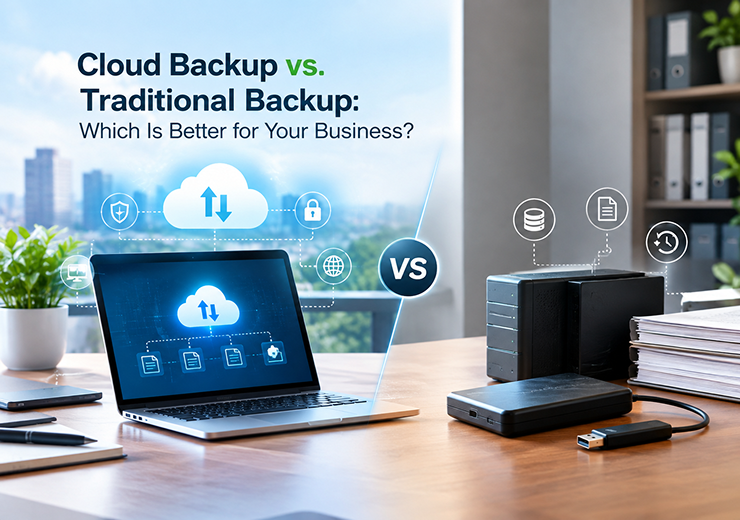
Why Every Business Needs a Reliable Backup & Recovery Strategy

Why Every Business Needs a Reliable Backup & Recovery Strategy

Introduction

Data is one of the most valuable assets for any business. From customer information and financial records to operational data and business communications, organizations depend on data to run efficiently and make informed decisions. However, unexpected incidents such as cyberattacks, hardware failures, accidental deletions, and natural disasters can lead to data loss and significant business disruptions.

A reliable Backup & Recovery strategy helps businesses protect critical information, minimize downtime, and ensure business continuity during unexpected events.

What is Backup & Recovery?

Backup & Recovery refers to the process of creating copies of important business data and restoring it when data loss, corruption, or system failures occur.

A well-planned backup strategy ensures that businesses can:

  • Protect critical information
  • Recover lost data quickly
  • Maintain business operations
  • Reduce downtime
  • Improve disaster preparedness

Common Causes of Data Loss

Many businesses assume data loss is unlikely until an incident occurs. However, data can be lost due to various reasons, including:

Hardware Failures

Servers, storage devices, and computer systems can fail unexpectedly, leading to the loss of important business information.

Cyber Attacks

Ransomware, malware, and other cyber threats can encrypt, corrupt, or permanently delete business data.

Human Errors

Accidental file deletion, system misconfiguration, or improper handling of information can result in data loss.

Natural Disasters

Floods, fires, power failures, and other disasters can damage IT infrastructure and affect data availability.

Software Issues

Application failures, corrupted databases, and system crashes can disrupt operations and impact business data.

Why Backup & Recovery is Essential

Protects Critical Business Information

A reliable backup system ensures that important files, databases, and business records remain protected even when unexpected incidents occur.

Benefits include:

  • Data protection
  • Secure storage
  • Reduced risk of permanent loss
  • Improved information availability

Minimizes Business Downtime

When data loss occurs, every minute of downtime can affect productivity and revenue.

Backup & Recovery solutions help businesses:

  • Restore systems quickly
  • Reduce operational interruptions
  • Maintain customer service levels
  • Improve business continuity

Supports Disaster Recovery Planning

A backup strategy is a key component of any disaster recovery plan.

Organizations can:

  • Recover critical systems faster
  • Resume operations efficiently
  • Reduce recovery costs
  • Improve resilience during emergencies

Enhances Cyber Security

Modern backup solutions provide an additional layer of protection against cyber threats.

Benefits include:

  • Recovery from ransomware attacks
  • Protection against malicious data deletion
  • Secure backup storage
  • Faster restoration of compromised systems

Key Components of an Effective Backup Strategy

Automated Backups

Automated backups eliminate the risk of missed backup schedules and ensure data is protected consistently.

Cloud Backup Solutions

Cloud-based backup services provide secure offsite storage and improve accessibility.

Advantages include:

  • Scalability
  • Remote access
  • Enhanced security
  • Lower infrastructure costs

Data Encryption

Encryption protects sensitive business information during storage and transmission.

Regular Backup Testing

Businesses should periodically test recovery processes to ensure backups are functioning correctly.

Benefits of Professional Backup & Recovery Services

Improved Data Protection

Professional solutions provide comprehensive protection for business-critical information.

Faster Recovery Times

Efficient recovery processes help organizations resume operations quickly after disruptions.

Reduced Operational Risks

Backup strategies minimize the impact of unexpected incidents and system failures.

Better Compliance

Many industries require secure data storage and recovery practices to meet regulatory standards.

Best Practices for Backup & Recovery

Businesses should follow these best practices:

  • Schedule regular backups
  • Store backups in multiple locations
  • Implement cloud backup solutions
  • Encrypt sensitive data
  • Monitor backup performance
  • Test recovery procedures regularly

These practices help ensure data availability and business continuity.

The Future of Data Protection

As organizations continue to adopt cloud technologies and digital transformation strategies, backup and recovery solutions will become even more important.

Emerging trends include:

  • Cloud-native backup platforms
  • Automated disaster recovery
  • AI-powered backup monitoring
  • Enhanced cyber resilience
  • Advanced data protection technologies

Businesses that invest in reliable backup solutions today will be better prepared for future challenges.

Conclusion

Data loss can have serious consequences for any organization. A reliable Backup & Recovery strategy helps businesses protect critical information, reduce downtime, improve cyber resilience, and maintain business continuity.

By implementing secure backup solutions and proactive recovery planning, organizations can minimize risks and ensure long-term operational stability. Investing in Backup & Recovery services is not just about protecting data—it’s about protecting the future of the business.

Categories Uncategorized

Top Network Security Challenges Businesses Face Today

Top Network Security Challenges Businesses Face Today

Introduction

In today’s connected business environment, networks play a critical role in daily operations. From communication and collaboration to cloud applications and customer data management, organizations depend on secure and reliable networks to maintain productivity and business continuity.

However, as technology continues to evolve, cyber threats targeting business networks are becoming increasingly sophisticated. Without proper network security measures, organizations may face data breaches, operational disruptions, financial losses, and reputational damage.

Understanding the most common network security challenges can help businesses strengthen their defenses and reduce potential risks.

What is Network Security?

Network security refers to the processes, technologies, and policies used to protect computer networks from unauthorized access, cyber threats, and security vulnerabilities.

A strong network security strategy helps organizations:

  • Protect sensitive business data
  • Prevent cyber attacks
  • Ensure business continuity
  • Maintain regulatory compliance
  • Improve overall IT security

Common Network Security Challenges

  1. Increasing Cyber Attacks

Cybercriminals are continuously developing new attack methods to exploit network vulnerabilities. Businesses face threats such as ransomware, phishing, malware, and distributed denial-of-service (DDoS) attacks.

These attacks can:

  • Disrupt business operations
  • Compromise sensitive data
  • Cause financial losses
  • Damage brand reputation

Organizations must implement proactive security measures to identify and prevent attacks before they cause significant harm.

  1. Unauthorized Access

Unauthorized access remains one of the biggest security concerns for businesses. Weak passwords, poor access controls, and compromised user accounts can provide attackers with entry into business networks.

Best practices include:

  • Multi-factor authentication (MFA)
  • Strong password policies
  • Role-based access control
  • Regular access reviews
  1. Remote Work Security Risks

Remote and hybrid work environments have expanded the network perimeter beyond traditional office locations.

Common remote work security challenges include:

  • Unsecured Wi-Fi networks
  • Personal device usage
  • Weak remote access controls
  • Data leakage risks

Businesses should secure remote access through VPNs, endpoint protection, and user awareness training.

  1. Insider Threats

Not all security threats originate from external attackers. Employees, contractors, or partners may accidentally or intentionally compromise network security.

Examples include:

  • Sharing sensitive information
  • Misconfigured systems
  • Unauthorized software installation
  • Negligent security practices

Regular training and monitoring help reduce insider security risks.

  1. Network Vulnerabilities

Outdated systems, unpatched software, and misconfigured devices can create vulnerabilities within business networks.

To address these issues, organizations should:

  • Conduct regular security assessments
  • Apply security patches promptly
  • Monitor network performance
  • Maintain updated security policies
  1. Lack of Network Visibility

Many businesses struggle to maintain complete visibility across their IT infrastructure.

Without proper monitoring, organizations may not detect:

  • Suspicious activities
  • Unauthorized devices
  • Security incidents
  • Performance issues

Continuous network monitoring enables faster threat detection and response.

  1. Data Breaches

Data breaches can expose confidential customer information, financial records, and sensitive business data.

Consequences of data breaches include:

  • Financial penalties
  • Legal liabilities
  • Customer trust issues
  • Business disruption

Strong network security controls help prevent unauthorized access to critical information.

How Businesses Can Improve Network Security

Implement Firewall Protection

Firewalls serve as the first line of defense by controlling incoming and outgoing network traffic.

Benefits include:

  • Blocking malicious traffic
  • Preventing unauthorized access
  • Improving network security

Enable Continuous Monitoring

24/7 network monitoring helps identify suspicious activities before they become serious security incidents.

Monitoring solutions provide:

  • Real-time threat detection
  • Performance tracking
  • Security alerts
  • Incident response support

Regular Security Audits

Periodic network security assessments help identify vulnerabilities and improve security posture.

Security audits support:

  • Risk identification
  • Compliance requirements
  • Security improvements
  • Threat prevention

Employee Security Awareness

Employees play an important role in protecting business networks.

Training programs should focus on:

  • Phishing awareness
  • Password security
  • Safe browsing practices
  • Incident reporting procedures

Benefits of Professional Network Security Services

Partnering with network security experts helps businesses strengthen their IT environment and reduce security risks.

Key benefits include:

Enhanced Threat Protection

Advanced security solutions protect against evolving cyber threats.

Improved Network Performance

Secure networks often perform more efficiently and reliably.

Reduced Downtime

Proactive monitoring minimizes disruptions and operational risks.

Better Compliance

Professional security management helps businesses meet industry regulations and standards.

Conclusion

Network security is a critical component of modern business operations. As cyber threats continue to evolve, organizations must take proactive steps to secure their networks, protect sensitive information, and maintain business continuity.

By implementing strong security measures, conducting regular assessments, and partnering with experienced security professionals, businesses can reduce risks and build a secure foundation for long-term growth.

1 2 3